

 215.399.1346



1 min read
Tax Sale of Family-Owned Property is Set Aside by Appellate Court in Pennsylvania
When our clients, the owners/operators of a family-run auto parts and repair shop in South Philadelphia, were notified by the city government that...
3 min read
Historic properties can present developers with an unusual challenge. The features that make a building worth preserving can also make its rehabilitation complicated and expensive.
When a historic property's existing zoning does not provide enough flexibility to support an economically viable redevelopment, zoning relief can become an important part of the preservation strategy.
The planned redevelopment of the Conkling-Armstrong House in North Philadelphia illustrates how those considerations can come together.
Wise Holding Group sought to preserve and redevelop the historic property at 2224-26 West Tioga Street, combining the adaptive reuse of the existing twin buildings with complementary additions to create 24 affordable residential units.
To make that plan feasible, the development required zoning relief allowing additional residential density. Nochumson P.C. developed the zoning strategy, represented the project before Philadelphia's Zoning Board of Adjustment (ZBA), and helped secure the approval necessary for the redevelopment to move forward.
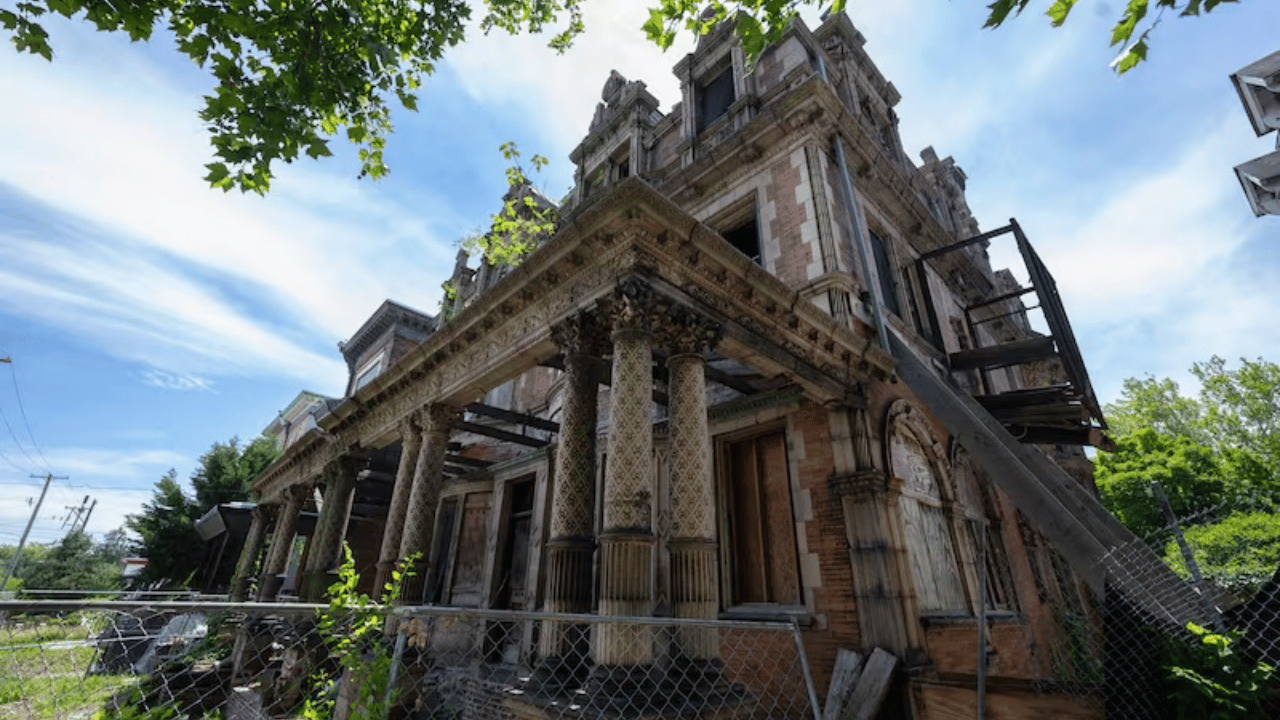
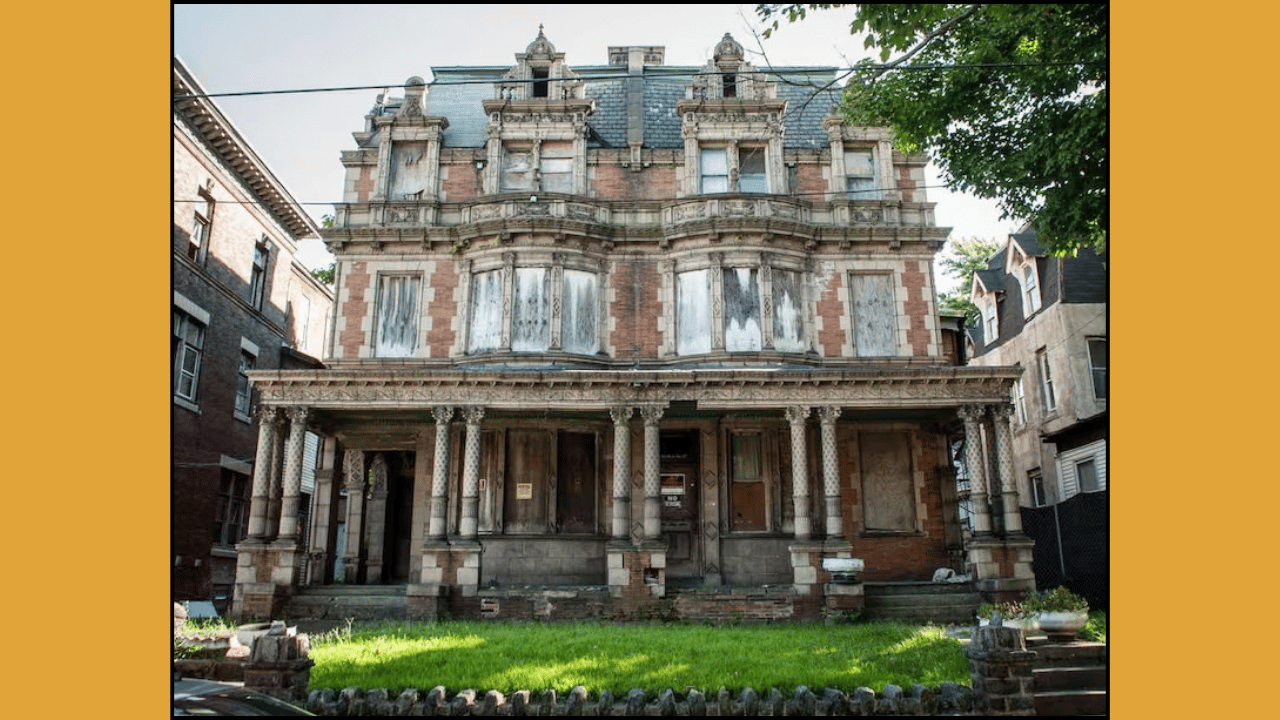
Constructed in 1898 as a showcase for the Conkling-Armstrong Terra Cotta Company, the Conkling-Armstrong House is one of Philadelphia's distinctive historic structures.
But architectural significance alone does not ensure that a building will survive.
The property had remained vacant for decades and deteriorated substantially. Portions of the building had become inaccessible, and its condition raised serious concerns about its long-term future.
Restoring a highly ornate historic property can also carry significant costs. In this case, the combination of the property's protected historic status, decades of deterioration, and the expense of rehabilitation created substantial financial hurdles.
The development team therefore needed a plan that could preserve the historic structure while making its rehabilitation economically viable.
The redevelopment called for the adaptive reuse of the historic twin buildings together with complementary additions that would allow the property to accommodate 24 residential units.
Doing so required additional residential density beyond what the underlying zoning regulations permitted.
That made zoning relief an important part of the overall redevelopment strategy.
Rather than viewing preservation and new development as competing objectives, the project presented the requested zoning relief as a means of supporting the rehabilitation of the historic property while also creating affordable housing.
Without that additional density, the costs associated with preserving and rehabilitating the structure threatened the feasibility of the project.
 Building the Case Before Philadelphia's ZBA
Nochumson P.C. developed and presented a zoning strategy demonstrating why the requested relief was necessary to facilitate the restoration of the landmark property.
Before the ZBA, Nochumson P.C. presented evidence supporting the requested relief and explaining how redevelopment could preserve a deteriorating historic structure that otherwise faced an uncertain future.
The presentation also addressed the broader public interests served by the project, including historic preservation, neighborhood revitalization, and affordable housing.
Community engagement played an important role as well. Through outreach and project planning, the development team secured unanimous support from both the Allegheny West Civic Association and the Swampoodle Neighborhood Parcels Association.
For developers pursuing zoning relief in Philadelphia, community engagement can be an important part of project planning.
In the Conkling-Armstrong House redevelopment, the development team was able to present a proposal that addressed not only the future of the property, but also its relationship to the surrounding neighborhood.
That process ultimately resulted in support from both neighborhood organizations involved with the project.
The experience illustrates the value of addressing zoning strategy, project design, preservation objectives, and community considerations as parts of the same development process.
The ZBA approved the project, clearing a critical entitlement hurdle and allowing the redevelopment to move forward.
The approval positions the project to return a property that had stood vacant for decades to productive use while preserving a significant piece of Philadelphia's architectural history.
The planned redevelopment will create 24 affordable residential units, with a substantial portion reserved for residents using governmental housing vouchers.
For a closer look at the matter, read the Conkling-Armstrong House zoning approval case study to see how Nochumson P.C. approached the zoning strategy for the historic redevelopment.
Historic redevelopment projects rarely involve preservation in isolation. Developers may need to balance the physical condition of a building, rehabilitation costs, zoning restrictions, proposed density, community considerations, and the long-term economic viability of the property.
The Conkling-Armstrong House demonstrates how zoning relief can become part of that larger strategy.
For developers evaluating historic properties in Philadelphia, identifying these issues early can help determine whether the proposed redevelopment is feasible and what approvals may be necessary to move forward.
A zoning strategy that accounts for the economics of rehabilitation, the property's historic significance, and the proposed future use can help establish a clearer path through the entitlement process.
Historic redevelopment can present zoning and land use issues that require careful planning before a project reaches the ZBA.
Nochumson P.C. represents developers, property owners, and investors in Philadelphia zoning and land use matters, including zoning relief and proceedings before the ZBA.
This article was prepared by a licensed Pennsylvania attorney at Nochumson P.C., a Philadelphia-based law firm with extensive experience in all thing's real estate, litigation, land use and zoning, and business counseling.

1 min read
When our clients, the owners/operators of a family-run auto parts and repair shop in South Philadelphia, were notified by the city government that...
1 min read
Our real estate developer client purchased a vacant lot in a highly desirable section of Kensington, Philadelphia with the intention of developing...

1 min read
When all business activities temporarily ceased in March of 2020 due to COVID-19, we were approached by two of our clients, a married couple...