

 215.399.1346



1 min read
Tax Sale of Family-Owned Property is Set Aside by Appellate Court in Pennsylvania
When our clients, the owners/operators of a family-run auto parts and repair shop in South Philadelphia, were notified by the city government that...
3 min read
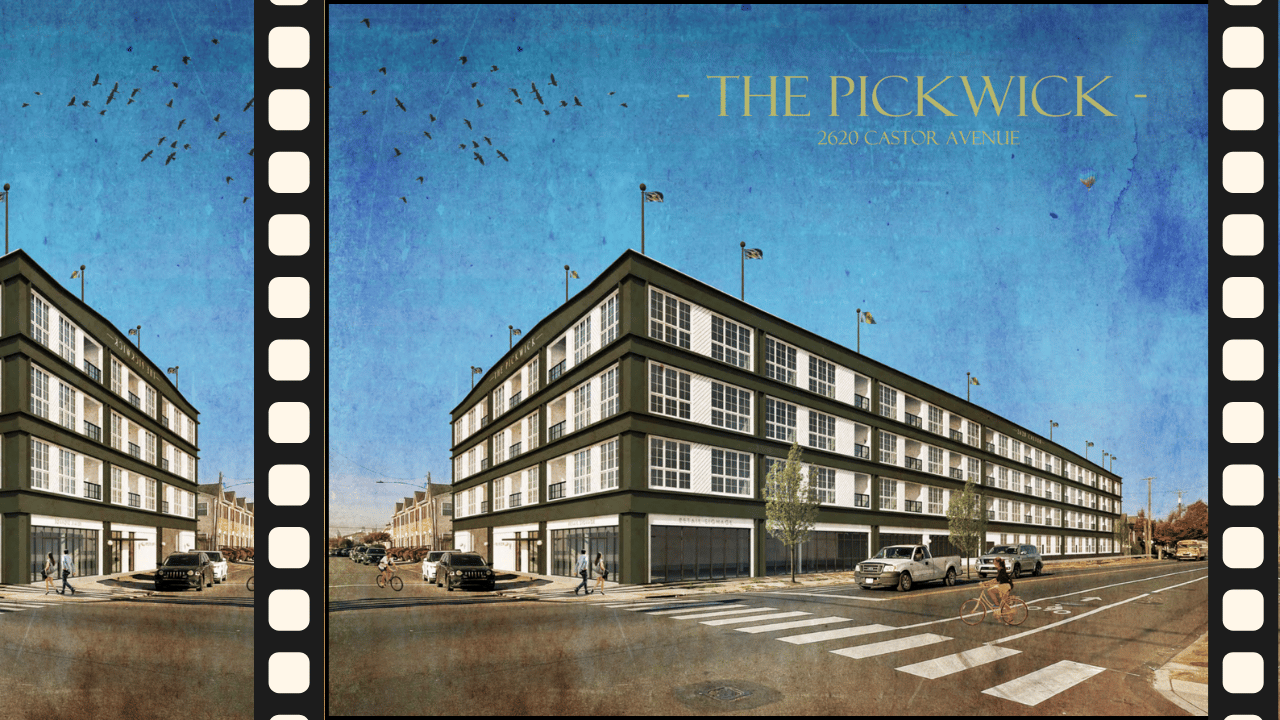
Redeveloping a large property in Philadelphia can involve much more than obtaining a single zoning approval. Depending on the size, design, and proposed use of a site, a development team may need to navigate multiple public review and entitlement processes before construction can move forward.
The planned redevelopment of 2600 Castor Avenue in Port Richmond provides an example.
The long-vacant, full-block property is planned for a new residential community with 162 housing units, including townhomes and a multifamily apartment building. Before the project could advance, however, the development team needed to navigate two significant approval processes: Civic Design Review and zoning variances before the Philadelphia Zoning Board of Adjustment (ZBA).
Nochumson P.C. served as zoning and land use counsel for the redevelopment, helping guide the project through Civic Design Review and securing the requested zoning variances.
Philadelphia’s development approval process varies depending on the property and proposed project. For a substantial redevelopment such as 2600 Castor Avenue, zoning is only one consideration.
Because of the project’s size and prominence, the Castor Avenue proposal was subject to the City of Philadelphia’s Civic Design Review process.
Civic Design Review evaluates major development projects based on considerations that include urban design, site planning, building massing, pedestrian experience, mobility, landscaping, and neighborhood integration.
For the development team, that meant presenting a comprehensive vision for how a long-vacant property could be incorporated into the surrounding Port Richmond neighborhood while creating new housing opportunities.
The project had also attracted broader attention. The Philadelphia Inquirer identified the redevelopment as one of its “10 real estate projects to watch in 2026,” reflecting the significance of the site and the anticipated impact of its redevelopment.
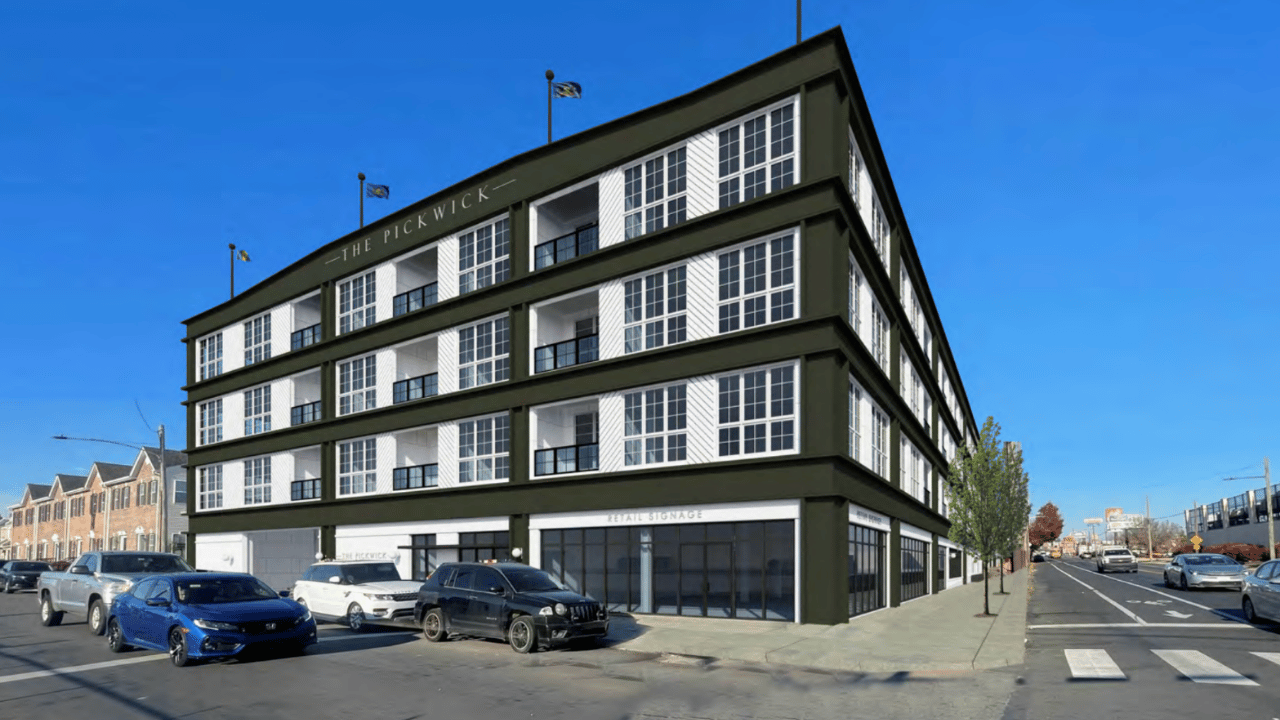 Moving the Castor Avenue Project Through Civic Design Review
Nochumson P.C. guided the development team through Civic Design Review, coordinating presentations and helping articulate how the proposed development would fit within and enhance the surrounding area.
The proposed residential community combines townhomes and multifamily housing with on-site parking, internal circulation, landscaping, and open space.
Following review and public consideration, the project successfully completed the Civic Design Review process.
That milestone, however, did not complete the project's entitlement process.
Nochumson P.C. next led the zoning entitlement effort before Philadelphia’s Zoning Board of Adjustment.
The firm presented evidence and legal arguments addressing the appropriateness of the proposed development, the unique characteristics of the site, and the public benefits associated with putting a long-vacant property back into productive use.
Throughout the process, Nochumson P.C. worked closely with the development team to address planning, design, and zoning considerations while advancing a cohesive vision for the property.
The ZBA ultimately granted the requested zoning variances, clearing a major entitlement hurdle for the redevelopment.
Large development projects often involve interconnected issues. Zoning, site planning, design, public review, and neighborhood considerations may all affect whether and how a project moves forward.
The Castor Avenue redevelopment illustrates why developers should consider these requirements as part of an overall entitlement strategy rather than as isolated approval processes.
Early planning can help a development team identify which approvals will be necessary, determine how one stage of review may affect another, and prepare a consistent presentation of the project throughout the process.
For a full look at the project, read the Castor Avenue redevelopment zoning case study to see how Nochumson P.C. helped navigate Civic Design Review and secure the requested zoning variances.
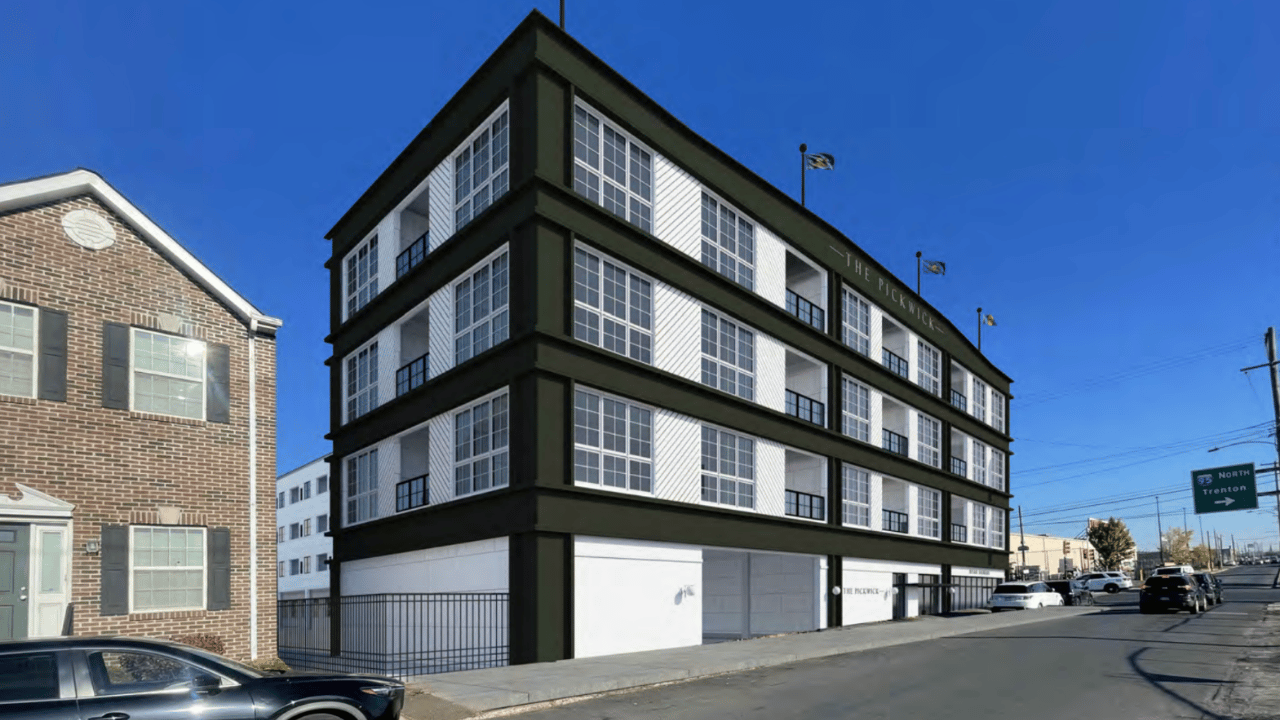 From a Vacant Property to 162 Planned Homes
With the requested zoning variances granted, the redevelopment cleared a significant hurdle toward bringing a long-underutilized Port Richmond property back into productive use.
The plans call for 162 new homes across two housing types, creating a residential community on a full-block property that had remained vacant for years.
For developers pursuing significant projects in Philadelphia, the matter provides a practical reminder: successful entitlement work requires more than responding to individual approvals as they arise. It requires understanding how the different pieces of Philadelphia’s development process fit together and building a strategy that can carry a project from initial review through zoning approval.
Philadelphia zoning and land use requirements can have a significant effect on a project’s design, timeline, and feasibility.
Nochumson P.C. represents developers, property owners, and investors in Philadelphia zoning and land use matters, including zoning variances, proceedings before the ZBA, and development approval processes.
This article was prepared by a licensed Pennsylvania attorney at Nochumson P.C., a Philadelphia-based law firm with extensive experience in all thing's real estate, litigation, land use and zoning, and business counseling.

1 min read
When our clients, the owners/operators of a family-run auto parts and repair shop in South Philadelphia, were notified by the city government that...

1 min read
Looking to expand their business operations into North America, our client retained our team to prepare written employment agreements for new...
1 min read
When our real estate investor client approached us about purchasing a 30-unit apartment building in the Fishtown section of Philadelphia, they...